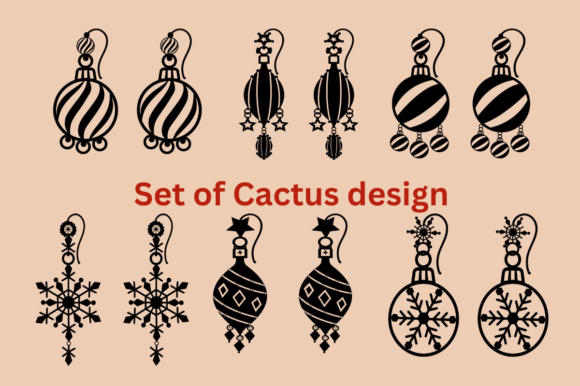
Set of Christmas Earring Design: A Real-World Embroidery Review
When I first opened the Set of Christmas Earring Design, my initial reaction was less about the technical specs and more about the mood it immediately conjures. As a designer who spends hours evaluating files for client work, I look for that specific spark—a design that feels cohesive, intentional, and ready to translate from a digital screen to a physical stitch. This Illustrations category piece delivers exactly that. It captures the whimsical spirit of the holiday season without feeling cluttered or overly generic. The visual personality is crisp, suggesting a project that could easily elevate a simple tote bag into a boutique-worthy gift.
The layout of the Set of Christmas Earring Design is particularly thoughtful. Unlike many holiday designs that feel rushed, this one balances negative space with decorative elements effectively. For an embroidery designer, this balance is crucial because it dictates how the final product will sit on various garments and accessories. When I imagine stitching this out, I see it working beautifully as a focal point on a winter-themed apparel line or as a charming accent on a personalized nursery item. It doesn't scream for attention; rather, it invites the viewer to lean in and appreciate the details.
From Digital File to Finished Product: A Practical Scenario
To truly understand the value of this file, let's walk through a real-life scenario. Imagine you are preparing for the upcoming craft fair season. You have a stack of plain canvas tote bags and a collection of soft, fleece-lined hoodies destined for your Etsy shop. You need a design that screams "holiday" but maintains a level of sophistication that justifies a higher price point. This is where the Set of Christmas Earring Design shines.
I tested the concept by visualizing the design stitched onto a natural-colored canvas tote. The earrings motif suggests movement and playfulness, which translates well to the sturdy texture of canvas. If you were to use this for a custom sweatshirt, the design would likely sit perfectly on the chest pocket area or centered on the back, offering a cozy yet festive look. The potential here extends beyond just bags and shirts. Picture these earrings embroidered on a baby onesie for a holiday photo prop, or perhaps stitched onto a linen apron for a kitchen towel gift set. The versatility is impressive, making it a strong asset for any craft business looking to expand their holiday inventory.
Performance Across Different Fabrics and Applications
In the world of machine embroidery, not all designs behave the same way on every material. The Set of Christmas Earring Design appears to handle standard cotton blends and woven fabrics with ease. The lines seem clean enough to maintain their shape on structured items like caps or patches, provided the correct stabilizer is used. However, when considering stretchy fabrics like jersey knits, caution is advised. While the design might hold up on a sweatshirt, applying it directly to a thin t-shirt without adequate backing could lead to puckering.
For those selling embroidered patches, this design offers excellent potential. The distinct shapes of the earrings create defined edges that should cut cleanly. If you are an Etsy seller focusing on personalized gifts, the clean lines allow for easy customization. You could add a monogram nearby or change the thread colors to match a specific client's color palette. The design's adaptability makes it a reliable choice for commercial embroidery projects where consistency is key.
Navigating Challenges and Limitations
No design is perfect for every situation, and honest review requires acknowledging where the Set of Christmas Earring Design might struggle. One area to watch closely is small hoop sizes. If you plan to embroider this on a very small item, such as a hat brim or a tiny patch, you must verify the dimensions carefully. Tiny details can get lost if the design is scaled down too much, resulting in a muddy appearance once stitched.
Fabric texture also plays a significant role. On highly textured materials like bouclé or thick fleece, fine details may disappear into the weave. Similarly, dark fabrics require careful consideration regarding thread contrast. If the design relies on subtle shading or light colors, it might be better suited for lighter backgrounds unless you choose high-contrast threads. Additionally, while the design looks great in a mockup, the actual stitch density needs to be reviewed. Dense areas can sometimes cause fabric distortion if not stabilized properly, especially on thinner materials like tea towels or pillow covers.
Curved surfaces, such as baseball caps, present another challenge. While the design is versatile, complex curves can distort straight lines. If you intend to use this for custom apparel on curved items, a test run is non-negotiable. Furthermore, for products that undergo frequent washing, like baby clothes or kitchen linens, ensure the stitch types used are durable enough to withstand friction and agitation over time.
Visual Appeal and Brand Consistency
Beyond the mechanics of stitching, there is the intangible element of brand perception. A well-executed embroidery project builds trust with customers. The Set of Christmas Earring Design contributes to a professional image because of its balanced composition. When customers receive a finished product that looks polished and precise, they are more likely to return and recommend your shop. This design supports brand consistency by offering a recognizable aesthetic that fits within the broader holiday theme without clashing with other elements in your collection.
The design also enhances the perceived value of the finished product. Handmade items often command higher prices when the execution is flawless. By choosing a design that translates well from screen to stitch, you protect your reputation as a quality maker. Whether you are creating holiday gifts or boutique branding assets, the clarity of the Set of Christmas Earring Design ensures that the final result matches the promise made in your printable mockups.
Essential Designer Notes for Implementation
Before you hit the start button on your embroidery machine, there are several practical steps to ensure success. First and foremost, always test the embroidery file on scrap fabric that mimics your final material. This allows you to check the stitch density and adjust tension settings if necessary. Pay close attention to the thread colors; simulate different palettes to see how they interact with your chosen fabric. A black background might make white details pop, but it could also hide them depending on the lighting.
Confirming the hoop size is critical. Ensure your design fits within the maximum dimensions of your intended project without requiring awkward scaling. If you are using this for a tote bag design or a large sweatshirt embroidery project, verify that the placement marks align correctly with the garment's seams. Don't forget to inspect small details under magnification; sometimes, what looks clear on a monitor can become indistinct after stitching.
It is also wise to test the design in black and white mockups before committing to full-color production. This helps you assess the contrast and readability of the design independent of color choices. If you plan to sell finished items, double-check the licensing terms associated with the digital embroidery file. Some licenses restrict commercial use or limit the number of units you can produce. Understanding these terms protects you from legal issues and ensures you can confidently market your small shop product.
Finally, consider the end-user experience. How will the wearer or user feel about the texture and weight of the embroidery? For baby embroidery, softness is paramount, so avoid overly dense fill stitches that might irritate sensitive skin. For decorative accents on home goods, durability takes precedence. By keeping these factors in mind, you transform a simple design asset into a cherished finished product that stands out in a crowded marketplace.