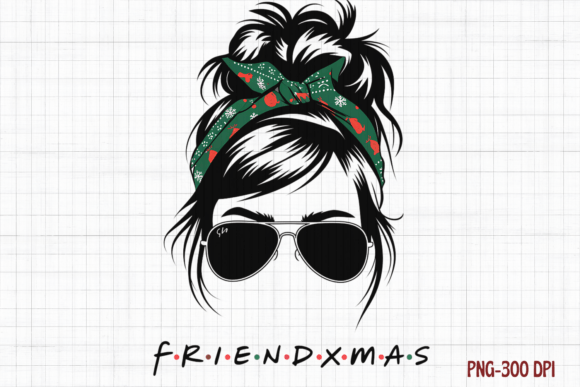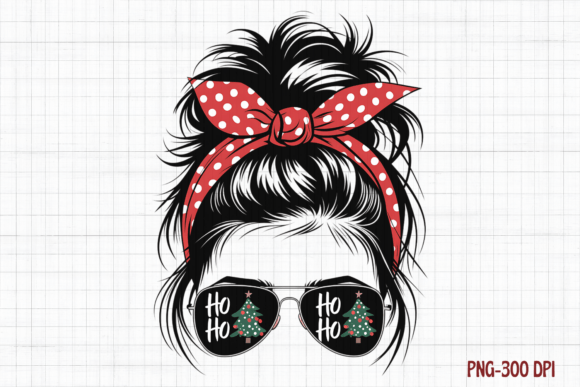
Merry Christmas Messy Bun, Ho Ho Ho, Png Review
As an embroidery designer who has spent years evaluating digital assets for both personal hobby projects and commercial small business lines, I approach every new file with a mix of optimism and skepticism. The holiday season is the most competitive time of year for crafters, Etsy sellers, and boutique owners. We are all looking for that perfect balance: a design that feels fresh and relatable but also stitches cleanly and sells well. Today, I am putting Merry Christmas Messy Bun, Ho Ho Ho, Png through its paces to see if it deserves a spot in your production queue.
This product falls under the category of Illustrations, which immediately sets expectations for how the final stitched piece should look. It isn’t just a geometric pattern or a simple monogram; it is a character-driven concept. In my experience, character designs require more careful planning regarding stitch direction, density, and fabric choice than standard text-based files. Let’s dive into what makes this design work, where it shines, and where you might want to proceed with caution.
First Impressions and Visual Personality
The moment you open the file, the mood is clear. This is not a traditional, stiff, Victorian-style Christmas illustration. It is casual, humorous, and deeply relatable. The concept of a "messy bun" paired with the classic "Ho Ho Ho" taps directly into the modern aesthetic of comfort and authenticity. For the target audience—busy moms, creative entrepreneurs, and anyone who prefers sweatpants over formal wear during the holidays—this resonates instantly.
From a pure design standpoint, the layout is balanced. The typography and the illustrative element (the messy bun) are integrated in a way that suggests they belong together. It doesn’t feel like two separate clipart images slapped onto a canvas. This cohesion is crucial for embroidery project success because it allows the eye to travel naturally across the finished product. The visual personality is warm and inviting, which translates well to handmade products. It feels less like a mass-produced item and more like something designed by a friend.
Real-World Application: Where Does This Fit?
I always ask myself one question before approving a design for production: "What is this going on?" With Merry Christmas Messy Bun, Ho Ho Ho, Png, the answer is surprisingly versatile, but some applications will yield better results than others.
The Top Performers:
- Sweatshirt Embroidery: This is the natural home for this design. The casual vibe of a messy bun pairs perfectly with the cozy texture of French terry or fleece. Imagine a crewneck sweatshirt with this embroidered on the left chest or centered on the back. It screams "holiday party ready" without trying too hard.
- Tote Bag Design: A canvas tote bag is another excellent candidate. The sturdy fabric can handle the stitch density, and the theme fits perfectly for holiday gift-giving or market stalls. It adds a touch of personality to a functional item.
- Kitchen Towels and Aprons: For the baker or hostess, this design works wonderfully on flour sack towels or a linen apron. It brings humor to the kitchen during the busy holiday prep season.
- Baby Embroidery: Believe it or not, this works for baby items too. On a onesie or a nursery wall hanging, the softness of the theme combined with the festive colors creates a cute, modern keepsake. It appeals to parents who appreciate contemporary design over traditional Santa imagery.
Commercial Appeal:
For Etsy sellers and small shop product creators, this design has high giftability. People love buying gifts for friends who have a sense of humor about the holidays. It stands out in a sea of generic snowflakes and reindeer. When you create a printable mockup for your listing, ensure you show it on apparel to help customers visualize the scale and placement.
Technical Considerations and Stitch Performance
Here is where the rubber meets the road. As a reviewer, I cannot stress enough that a beautiful digital illustration does not automatically translate to a beautiful embroidered product. You must consider the technical execution.
Stitch Density and Detail:
You need to inspect the stitch density carefully. If the fill stitch areas are too dense, the fabric may pucker, especially on lightweight materials. Conversely, if the details are too sparse, the stabilizer might show through. Pay close attention to the transition between the text and the hair/bun elements. If these areas rely heavily on satin stitch for definition, ensure the thread count is sufficient to prevent the underlying fabric from showing.
Thread Colors and Contrast:
The success of this design hinges on color choice. Since it is an illustration, you likely have multiple colors involved. Test your thread colors against your chosen fabric. On dark fabrics, you may need a heavier underlay or a specific base layer to make the lighter threads pop. On light fabrics, ensure the dark outlines provide enough contrast so the shape remains distinct after stitching.
Fabric Texture and Stabilizer:
Not all fabrics are created equal. While cotton blends and fleece are forgiving, be cautious with stretchy knits or highly textured wools. Stretchy fabrics can distort the hoop size and cause the design to shift. Always use the proper stabilizer for your fabric weight. For a custom apparel item like a cap, you will need a rigid backing to maintain the structure of the design.
Where to Use Caution
There are certain scenarios where Merry Christmas Messy Bun, Ho Ho Ho, Png might not perform as intended. I recommend avoiding this design for the following applications unless you are prepared to do extensive testing:
- Small Hoop Sizes: If you plan to reduce this design significantly, you risk losing detail. Tiny lettering and fine lines in the illustration may become muddy or illegible. Stick to medium to large hoop sizes for clarity.
- Curved Surfaces: While caps are popular, applying a detailed illustration to a curved surface can be tricky. The perspective may look distorted if not digitized specifically for caps. Flat surfaces like bags and shirts are safer bets.
- Dense Decorative Accents: If the design includes intricate lace-like details, be wary of using it on garments that require frequent washing. Excessive stitching can lead to wear and tear over time, affecting the longevity of the finished product.
- Thin Fabrics: Avoid using this on very thin silks or delicate linens without a heavy-duty cut-away stabilizer. The tension required for the fill stitches could damage the fabric.
Practical Designer Notes for Production
Before you commit to a full run of merchandise, follow these steps to ensure quality control:
- Test on Scrap Fabric: Always stitch a sample on the exact fabric you plan to use. This reveals issues with puckering, thread breakage, or color mismatch that you cannot see on screen.
- Check Black and White Mockups: View your design in grayscale. This helps you assess the contrast and balance of the shapes without being distracted by color.
- Confirm Licensing: If you are planning to sell the finished items, verify the license terms of the digital embroidery file. Some illustrations are for personal use only, while others allow commercial sales of the physical goods. Never assume.
- Inspect Small Details: Zoom in on the digital file. Are there any tiny, isolated stitches that might be difficult to catch? These can lead to loose threads and a sloppy finish.
Final Verdict
Merry Christmas Messy Bun, Ho Ho Ho, Png is a strong contender for your holiday collection. It captures a modern, relatable sentiment that resonates with today’s consumer. When executed correctly on the right fabric, it elevates a simple garment into a statement piece. It is ideal for handmade product creators who want to add a touch of humor and warmth to their inventory.
However, remember that the magic happens in the stitching, not just the file. Respect the hoop size, choose your thread colors wisely, and prioritize quality over speed. If you treat this design with the care it deserves, it will likely become a bestseller in your craft business. Just don’t forget to test it first—your customers will thank you for the professionalism, and your machine will thank you for the preparation.