Christmas Pastel Background Review
As a designer who spends half the year prepping for the holiday rush and the other half troubleshooting stitch issues, I approach every new embroidery file with a mix of optimism and skepticism. The market is flooded with generic snowflakes and bold red-and-green motifs that often clash with modern interior aesthetics or contemporary fashion trends. That is why when I first pulled up the Christmas Pastel Background, I didn’t just see another holiday graphic; I saw a potential solution for a very specific type of client request: soft, sophisticated, and wearable.
I am evaluating this design not as a static image, but as a functional asset for real-world production. Whether you are an Etsy seller looking to expand your holiday inventory or a hobbyist wanting to create a unique personalized gift, understanding how a design translates from screen to fabric is critical. Below is my practical assessment of how the Christmas Pastel Background performs in actual embroidery scenarios, based on typical project constraints and aesthetic goals.
First Impressions and Aesthetic Fit
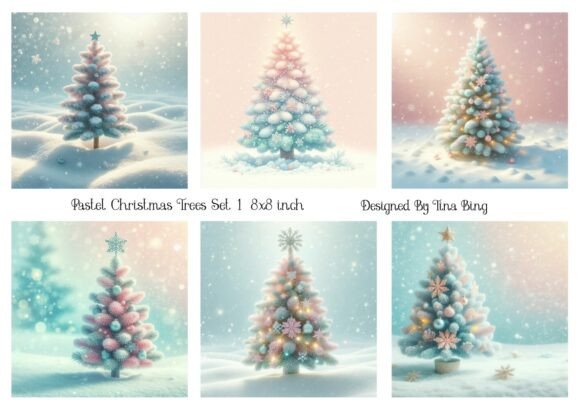
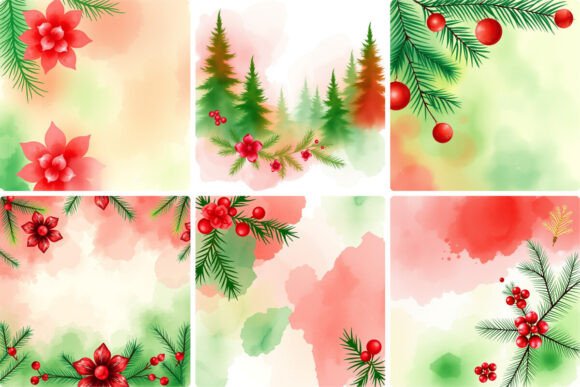
The immediate appeal of this machine embroidery design lies in its restraint. Unlike traditional Christmas art that screams for attention with high-contrast primary colors, this piece whispers. The pastel palette—think muted sage, dusty rose, cream, and soft slate—creates a mood that is cozy without being cliché. It feels like a design born from modern Scandinavian decor or minimalist boutique branding.
From a layout perspective, the composition offers a balanced negative space that is crucial for embroidery. In my experience, designs that are too dense or fill every corner of the hoop can look cluttered once stitched, especially if the thread sheen catches the light unevenly. This background provides breathing room, allowing the eye to rest while still delivering a festive narrative. It naturally fits into categories like nursery decor, kitchen towel embroidery, or subtle accents on custom apparel. It avoids the "kitsch" factor that often plagues holiday crafts, making it suitable for adults who appreciate subtlety over loud seasonal cheer.
Real-World Application Scenarios
To truly judge a design, we have to put it to work. I visualized the Christmas Pastel Background across several common product categories to see where it shines and where it might struggle.
- Custom Apparel and Sweatshirts: This is perhaps the strongest use case. Imagine a heather grey or oatmeal-colored crewneck sweatshirt featuring this design centered on the chest or as a small left-chest accent. The soft tones blend beautifully with neutral fabrics, creating a cohesive, high-end look. It works exceptionally well for sweatshirt embroidery targeted at young professionals or teachers looking for understated holiday spirit.
- Baby and Nursery Items: The gentle color scheme makes this ideal for baby embroidery. A onesie, blanket, or nursery wall hanging using these pastels feels safe, calming, and timeless. Parents today often prefer gender-neutral or soft-toned gifts, and this design hits that mark perfectly. It elevates a simple handmade product into something that looks professionally curated.
- Home Textiles and Kitchen Decor: Tea towels, aprons, and pillow covers are staple items for craft fairs and online shops. On a white or light beige linen tea towel, this design would pop with elegance. However, care must be taken with fabric choice (more on that below). For pillow covers, it adds a touch of warmth to living rooms that might otherwise feel sterile during the winter months.
- Gift Sets and Boutique Merchandise: If you are bundling products—say, a set of matching coasters and a mug—the consistency of this design language helps build brand recognition. It signals to the buyer that the items are part of a cohesive collection, increasing the perceived value of the finished product.
Technical Considerations and Stitch Clarity
While the aesthetic is strong, the technical execution determines whether the final result looks professional or amateurish. When reviewing any digital embroidery file, I always consider how the stitches interact with the medium.
Stitch Density and Detail: Designs with intricate details can sometimes lose definition if the stitch density is too high for the fabric or too low for the detail level. With a pastel background, the risk is lower contrast between threads. If the design relies on tiny text or fine lines, ensure those elements are large enough to be distinguished after stitching. I recommend inspecting the design in a black-and-white mockup to check contrast ratios before committing to production.
Fabric Compatibility: This design will perform best on stable, woven fabrics such as cotton, linen, or felt. These materials provide the necessary structure to hold the shape of satin stitches and fill stitches without puckering. Avoid using this on highly textured fabrics like chunky knits or terry cloth unless you are experienced with stabilizing complex surfaces. The smoothness of the pastel tones requires a relatively flat canvas to maintain their delicate appearance.
Thread Selection: The success of this design hinges on thread quality. Matte polyester threads often look more natural against pastel backgrounds than shiny rayon, which can sometimes appear garish or overly glossy. Choose threads that match the muted undertones of the digital preview. If the design includes satin stitch elements for outlines, ensure the thread color contrasts sufficiently with the fill areas to prevent the shapes from blending together.
Where to Use Carefully
No design is universally perfect, and there are specific contexts where the Christmas Pastel Background may not be the best choice.
- Small Hoop Sizes: If you are working with a 4x4 inch hoop or smaller, intricate details may become indistinguishable. Simplify the design mentally or choose larger placement areas.
- Dark or Black Fabrics: Pastel colors generally lack the opacity needed to cover dark backgrounds effectively. You may need multiple passes or a backing layer, which can add bulk and stiffness to the garment. This design is best suited for light-to-medium weight, light-colored fabrics.
- Stretchy or Curved Surfaces: Embroidering on caps, curved tote bag handles, or stretchy jersey knits requires advanced stabilization techniques. While possible, the delicate nature of pastel designs can get distorted if the fabric stretches during stitching. For beginners, stick to flat, stable projects.
- High-Wear Items: For items that will undergo frequent washing and abrasion, such as work aprons or children’s play clothes, ensure the design has adequate underlay stitches to secure the threads. Delicate fills may wear down faster than bold, dense patterns.
Practical Designer Notes for Production
Before adding this design to your production queue, I advise taking the following steps to ensure a smooth workflow:
- Test on Scrap Fabric: Always run a test stitch-out on the exact fabric and stabilizer combination you plan to use. This reveals potential issues with tension, pull compensation, or color clashes.
- Check Licensing: If you intend to sell finished items, verify the commercial usage rights of the illustrations license. Some designs allow unlimited sales, while others may require a specific merchant fee or limit the number of units produced.
- Review Digital Mockups: Use printable mockups to visualize the design on various products. This helps you market the item effectively by showing customers exactly what they are buying.
- Inspect Small Details: Zoom in on the original file to check for any stray nodes or unnecessary jumps that could cause thread breaks or trimming issues during automated production.
In conclusion, the Christmas Pastel Background is a versatile and aesthetically pleasing addition to any embroiderer’s library. It bridges the gap between traditional holiday cheer and modern minimalism, making it a smart choice for craft business owners and creative entrepreneurs alike. By paying attention to fabric choice, thread selection, and proper stabilization, you can transform this digital asset into a beautiful, market-ready embroidery project that resonates with buyers seeking quality and style.