Christmas Ornaments Clipart Watercolor Review
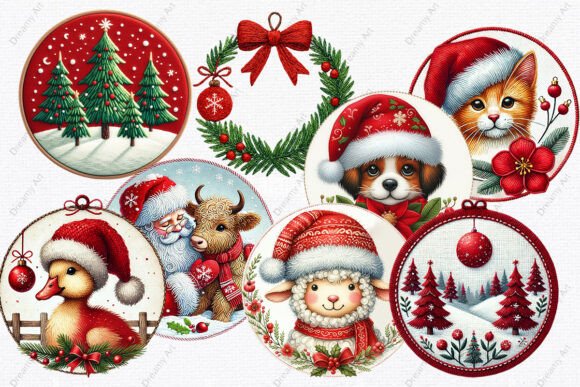
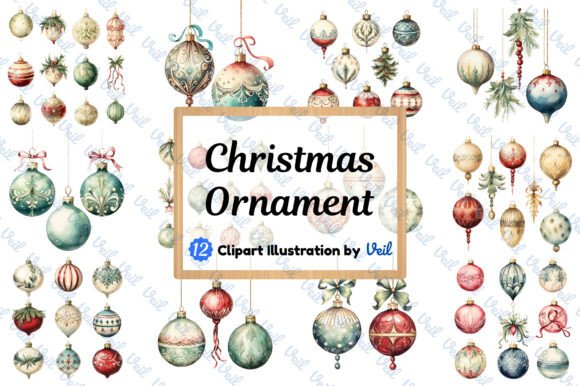
As a designer who has spent years turning digital files into tangible, stitched treasures, I approach every new asset with a mix of excitement and skepticism. When I first laid eyes on the Christmas Ornaments Clipart Watercolor, my immediate reaction wasn't about the file format or the stitch count—it was about the mood. There is a specific warmth to watercolor aesthetics that can be tricky to translate into thread, but this collection feels like it was born for the needle and hoop. It captures that soft, nostalgic holiday spirit without feeling cluttered or overly commercial.
The visual personality of these designs is distinct. Unlike the sharp, geometric precision of vector clipart often found in standard embroidery libraries, this set embraces the fluidity of paint. The edges are soft, the colors bleed slightly into one another, and there is a sense of movement that suggests a hand-painted origin. For an embroiderer, this is a double-edged sword. It promises a beautiful, artisanal finished product, but it demands a thoughtful approach to digitization to ensure the delicate details don't get lost in the fabric.
I recently put this concept to the test while preparing a custom order for a boutique client. They wanted a line of holiday-themed kitchen towels and aprons that felt cozy yet professional. The goal was to avoid the "big box store" look and instead create something that felt like a handmade gift from a local artist. We selected the Christmas Ornaments Clipart Watercolor as the centerpiece for a design intended for a large tote bag and a set of tea towels. The challenge was clear: how do we translate those watery gradients and soft brushstrokes into durable thread work that will survive frequent washing?
In real-world application, the performance of this design depends heavily on the execution. On a sturdy cotton canvas tote bag, the watercolor effect translates beautifully when using a combination of satin stitches for the outlines and fill stitches for the colored areas. The softness of the original illustration actually helps mask minor imperfections in the stitching, giving the final piece a more organic, high-end feel. Customers walking through a craft fair or browsing an Etsy shop often respond positively to this aesthetic because it signals quality and care. It elevates a simple tote bag design into a statement piece that justifies a higher price point.
However, not every surface is suitable for this kind of detail. I have seen talented designers struggle when trying to apply watercolor-style ornaments to stretchy fabrics like jersey knit sweatshirts. The instability of the fabric combined with the density required to hold the shape of the ornaments can lead to puckering. If you are planning to use this for sweatshirt embroidery or baby clothes, you must be extremely careful with your stabilizer choices. A cut-away stabilizer is usually non-negotiable here to maintain the integrity of the design over time. Without proper support, the soft edges of the watercolor pattern can distort, losing the very charm that made you choose it in the first place.
There are also specific scenarios where caution is advised. If you are working with a small hoop size, such as a 4x4 inch frame, you need to scrutinize the level of detail in each ornament. Watercolor illustrations often rely on subtle color shifts rather than bold lines. In a small embroidery area, these nuances can disappear entirely, leaving a muddy patch of thread. Similarly, on dark fabrics, the light, airy tones of a watercolor palette might lack the necessary contrast unless you use a heavy underlay or a specific thread color strategy. I always recommend testing the design in a black and white mockup first to see if the shapes remain distinct without relying on color perception.
The versatility of these assets extends beyond just home decor. For Etsy sellers and small business owners, having a cohesive visual theme is crucial for brand consistency. Using Christmas Ornaments Clipart Watercolor across different products—whether it's a personalized gift tag, a nursery pillow cover, or a decorative patch—creates a recognizable brand identity. It tells the customer that every item they buy comes from a thoughtfully curated collection. This consistency builds trust and encourages repeat purchases, which is the lifeblood of any craft business.
When considering the technical aspects of converting this into a machine embroidery design, the type of stitches matters immensely. A pure satin stitch outline might look too harsh against the soft background of the watercolor style. Incorporating running stitches or long-and-short fill stitches can mimic the texture of a painted canvas much better. The stitch density should be kept moderate; pushing the machine too hard to replicate the opacity of paint often results in a stiff, unnatural finish. You want the fabric to breathe through the design, especially on items like kitchen towels or pillow covers where comfort and drape are important.
For those looking to sell finished products, understanding the limitations is key. While the design is perfect for holiday embroidery projects, it may not be the best choice for items that undergo rigorous wear and tear, such as children's clothing that goes through the wash daily. The delicate nature of the watercolor aesthetic might not hold up as well as a bolder, graphic style in high-friction areas. Always inspect small details before committing to a full production run. Check the corners of the ornaments to ensure they won't snag, and verify that the thread colors chosen offer enough contrast to stand out against the fabric texture.
If you are a digital product seller creating printable mockups or design assets, this collection offers a fantastic opportunity. It allows you to showcase how a soft, artistic vibe can be applied to various merchandise types. However, remember that the final printed result will differ from the embroidered version. Use these images to set expectations, showing customers the potential beauty of the design while being honest about the texture and dimensionality of the actual thread work.
Before you dive into your next project, take a moment to review the licensing terms associated with the Christmas Ornaments Clipart Watercolor. Whether you are making items for personal use or selling them commercially, knowing your rights is essential. Confirm whether the license covers commercial embroidery and if there are any restrictions on the number of units you can produce. Also, ensure you have the correct file formats for your specific embroidery machine. If the details regarding hoop size or thread colors are not explicitly provided in the product description, it is wise to reach out to the creator or test the file yourself to determine the optimal settings.
In conclusion, this collection represents a wonderful addition to the arsenal of any designer looking to add a touch of elegance and warmth to their holiday offerings. It bridges the gap between digital art and tactile craft, offering a unique aesthetic that resonates with modern buyers. By respecting the medium of embroidery and applying sound technical judgment, you can turn these watercolor-inspired ornaments into stunning handmade products that delight recipients and elevate your brand. Just remember to test, adjust, and always prioritize the durability of the final piece alongside its visual appeal.