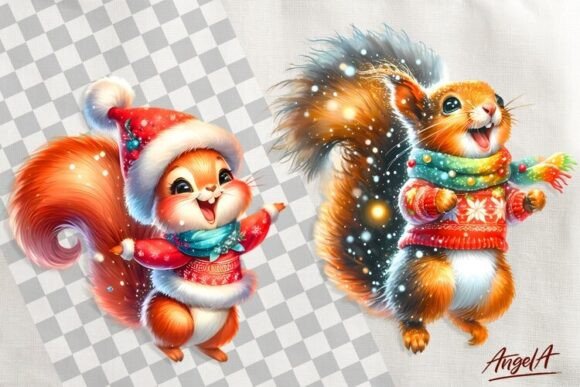
Christmas Clipart, Cute Squirrel Clipart: A Publisher’s Review of Seasonal Illustrations
In the world of digital publishing, visual communication is not merely decorative; it is a critical component of user experience and brand trust. As an experienced blog designer and digital publisher, I evaluate every graphic design asset with a specific question in mind: does this element support the content strategy and enhance reader engagement? Recently, I examined a popular seasonal offering titled Christmas Clipart, Cute Squirrel Clipart. This set falls squarely into the category of Illustrations, designed to bring warmth, whimsy, and festive cheer to digital spaces. Below is my detailed review of how this asset performs in real-world publishing workflows.
The First Impression: Editorial Mood and Visual Identity
When you first load a page featuring Christmas Clipart, Cute Squirrel Clipart, the immediate effect is one of approachable charm. Unlike stark, corporate holiday imagery, these illustrations lean heavily into a playful, lifestyle-focused aesthetic. The squirrel motif acts as a soft entry point for the Christmas theme, making it feel less like a rigid commercial advertisement and more like a friendly editorial feature. This is crucial for bloggers and content creators who aim to build a community rather than just broadcast information.
The artistic style appears clean and modern, avoiding the cluttered or overly ornate designs that can date a website quickly. For small business branding and creative entrepreneurs, this balance is vital. It suggests a brand identity that is professional yet personable. The visual hierarchy established by these assets allows headlines and key messages to remain prominent while the graphics provide emotional context. If your niche involves lifestyle, parenting, education, or cozy home decor, this design asset aligns perfectly with the expected tone. It feels inviting, encouraging readers to stay longer and explore deeper content.
Real-World Publishing Applications
A graphic design asset is only as good as its versatility. In my testing, Christmas Clipart, Cute Squirrel Clipart proved highly adaptable across multiple formats essential for modern content marketing.
- Blog Featured Images: These illustrations work exceptionally well as header images. Their color palette likely supports high contrast against white or dark backgrounds, ensuring readability of overlay text. They help establish a consistent look for seasonal posts, which improves category recognition among returning visitors.
- Pinterest Graphics and Social Media Posts: Pinterest is a visual search engine, and click-through potential relies heavily on eye-catching thumbnails. The cute nature of the squirrel creates an emotional hook that drives clicks. When used in Pinterest pin designs, these assets can significantly boost visibility during the Q4 holiday rush.
- Newsletter Headers: Email open rates are competitive. Using these social media graphics as headers in your weekly newsletter adds a touch of personality that differentiates your email from generic corporate blasts. It signals to subscribers that your content is curated with care.
- Digital Guides and Lead Magnets: For those creating downloadable resources, such as digital guides or printable design sheets, these illustrations serve as excellent cover art. They make freebies look premium, increasing the perceived value of the lead magnet and encouraging opt-ins.
- Canva Templates: Many publishers use tools like Canva to scale their production. Integrating these Illustrations into reusable Canva template structures allows for rapid creation of cohesive blog graphics without sacrificing design quality.
Impact on Content Performance and Reader Trust
From a strategic standpoint, using high-quality design assets directly influences metrics. When a website looks polished, readers subconsciously associate that visual polish with the credibility of the information presented. Christmas Clipart, Cute Squirrel Clipart contributes to this by providing a unified visual language.
Furthermore, strong visual hierarchy guides the reader’s eye. By placing these illustrations strategically around key points or section breaks, you can prevent text walls from becoming overwhelming. This improves the overall reading experience, keeping bounce rates lower. For affiliate marketers, a visually appealing layout increases the likelihood that users will engage with product recommendations. If the surrounding environment feels trustworthy and aesthetically pleasing, the call-to-action buttons become more effective. Additionally, consistent use of these creative design elements strengthens your site’s visual identity, making it instantly recognizable in social feeds or search results.
Where This Asset Shines
This illustration set is particularly effective in contexts where warmth and festivity are desired. It works best as:
- Hero images for holiday-themed articles.
- Editorial accents within long-form blog posts to break up text.
- Category visuals for sections dedicated to DIY, crafts, or family activities.
- Social media previews that need to stand out in crowded feeds.
- Covers for eBook covers or winter-themed worksheets.
Areas Requiring Caution
However, no single asset fits every scenario. Publishers must exercise judgment when deploying Christmas Clipart, Cute Squirrel Clipart. It should be used carefully in the following situations:
- Small Mobile Thumbnails: On very small screens, intricate details may blur or become indistinct. Ensure the focal point remains clear at reduced sizes.
- Text-Heavy Blog Images: Avoid placing these graphics behind dense blocks of text unless there is sufficient contrast. Readability must always take precedence over decoration.
- Serious Professional Niches: If you are writing for a corporate finance or legal audience, the playful squirrel motif may undermine the authority of your message. In such cases, stick to minimal, abstract modern design elements.
- Busy Layouts: If your website already has complex patterns or vibrant colors, adding another layer of illustration can create visual noise. Use sparingly to maintain a clean web design structure.
Practical Publisher Notes for Implementation
To get the most out of this commercial design resource, I recommend following a rigorous testing protocol before full deployment. First, test the asset on both desktop and mobile screens. What looks balanced on a wide monitor may feel cramped on a smartphone. Check how it renders as a thumbnail in your blog roll and in social media previews.
Preview the graphics inside a real blog layout. Place them beside different font styles to ensure harmony. I found that these illustrations pair well with sans-serif fonts for a modern look, but can also complement serif fonts for a more traditional editorial feel. Test them next to script or handwritten fonts if you are aiming for a crafty aesthetic. Always check contrast and readability; ensure the text remains legible over or next to the graphic.
Technical performance is equally important. Review the file size for web performance. Large image files can slow down page load times, which negatively impacts SEO and user retention. Compress images properly using tools like TinyPNG or ImageOptim before uploading. Finally, confirm your commercial license. Before using these assets on monetized websites, affiliate pages, or paid content products, verify that the creative marketplace terms allow for commercial use. This protects your business from legal issues and ensures you can safely leverage these design assets to drive revenue.
In conclusion, Christmas Clipart, Cute Squirrel Clipart is a versatile and emotionally resonant addition to any publisher’s toolkit. When integrated thoughtfully into your editorial design workflow, it enhances brand identity, supports content marketing goals, and delights your audience. By respecting its limitations and maximizing its strengths, you can create a cohesive, professional, and engaging digital presence that stands out during the busy holiday season.